When it comes to your child’s smile, every parent wants to do the right thing. You make sure they brush twice a day, avoid too many sweets, and visit the dentist regularly. But here’s something many parents overlook — how hard their child is brushing.
It may sound surprising, but brushing too hard can actually harm your child’s teeth instead of protecting them. In fact, many cases seen in modern dental care involve damage caused not by neglect, but by overdoing oral hygiene.
Let’s explore why this happens, the signs to watch for, and how you can ensure your child develops healthy brushing habits for life.
Why Brushing Too Hard Is a Problem
Most people believe that the harder you brush, the cleaner your teeth get. Unfortunately, that’s not true — especially for children.
A child’s teeth and gums are much more delicate than an adult’s. Aggressive brushing can lead to:
- Enamel erosion (wearing away the protective outer layer)
- Gum irritation and recession
- Tooth sensitivity
- Long-term damage to developing teeth
In proper dental care, it’s not about pressure — it’s about technique and consistency.
Signs Your Child Is Brushing Too Hard
As a parent, it’s important to notice early warning signs. Here are some common indicators:
1. Bleeding Gums
If your child’s gums bleed frequently while brushing, it may not just be a brushing issue — it could be excessive pressure.
2. Worn-Out Toothbrush
Does your child’s toothbrush look flattened or frayed within a few weeks? That’s a clear sign they’re brushing too aggressively.
3. Complaints of Pain or Sensitivity
If your child says their teeth hurt when eating cold or hot foods, over-brushing could be the cause.
4. Receding Gums
You may notice the gums pulling away slightly from the teeth — a serious sign that needs attention in pediatric dental care.
Why Children Are More Vulnerable
Children often mimic adults but don’t yet have proper control over their movements. They may think scrubbing harder means doing a better job.
In reality:
- Their enamel is thinner
- Their gums are softer
- Their brushing technique is still developing
That’s why guidance from parents and experts in pediatric dental care is essential during early years.
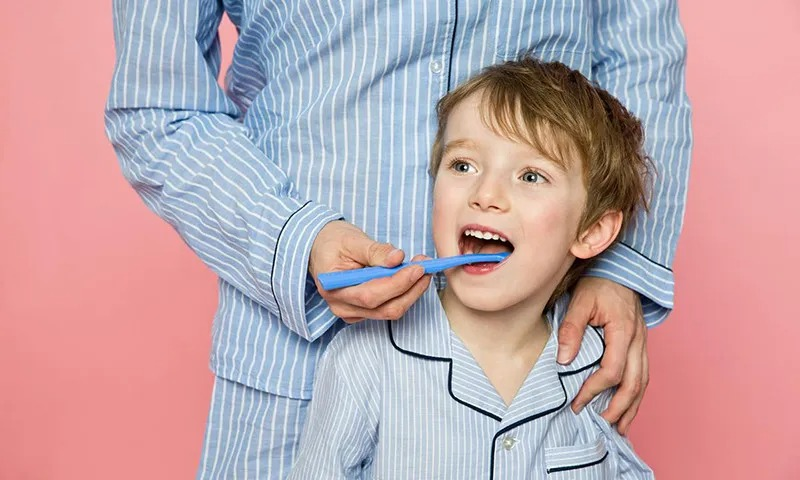
The Right Way to Brush Your Child’s Teeth
The goal is simple: clean effectively without causing harm.
Use a Soft-Bristled Toothbrush
Always choose a soft toothbrush designed for kids. Hard bristles can damage enamel and gums quickly.
Teach Gentle, Circular Motions
Instead of scrubbing back and forth, show your child how to use small, gentle circles.
Use the Right Amount of Toothpaste
- Under 3 years: a smear (rice-sized)
- 3–6 years: pea-sized amount
Brush for 2 Minutes
Focus on all areas — front, back, and chewing surfaces.
Supervise Brushing
Until at least age 7–8, children need supervision to ensure proper technique.
Following these steps is a key part of effective dental care and helps prevent long-term issues.
Common Myths About Brushing
Let’s clear up a few misconceptions:
“Harder brushing cleans better”
Truth: Gentle brushing removes plaque just as effectively — without damage.
“Bleeding gums are normal”
Truth: Healthy gums should not bleed. It’s often a sign of improper brushing or gum issues.
“Kids don’t need to worry about enamel”
Truth: Children’s enamel is even more sensitive and needs extra protection.
Understanding these myths is crucial for better children’s dental habits.
Long-Term Effects of Brushing Too Hard
If not corrected early, aggressive brushing can lead to:
- Permanent enamel loss
- Increased cavity risk
- Gum recession
- Costly dental treatments later
Good dental care habits formed early can prevent these complications and ensure a lifetime of healthy smiles.

When Should You Visit a Dentist?
Regular dental visits are essential, but you should consult a professional if you notice:
- Persistent bleeding gums
- Tooth sensitivity
- Visible enamel wear
- Complaints of pain during brushing
Searching for the best dentist near me can help you find timely care and guidance tailored to your child’s needs.
Role of a Pediatric Dentist
A specialist in pediatric dental care doesn’t just treat problems — they educate both parents and children.
They can:
- Demonstrate correct brushing techniques
- Recommend the right dental products
- Identify early signs of damage
- Make dental visits comfortable for kids
Choosing the right expert in children’s dental health ensures your child builds confidence and positive habits.
Tips for Parents to Encourage Gentle Brushing
Helping your child brush correctly doesn’t have to be a struggle. Try these fun and effective tips:
- Play a 2-minute song while brushing
- Brush together as a family
- Use colorful, kid-friendly toothbrushes
- Reward consistency, not pressure
- Use brushing apps or timers
These small steps can make a big difference in maintaining proper dental care.
Building Lifelong Healthy Habits
Your child’s dental habits today shape their oral health tomorrow. Teaching them the right way to brush — gently and effectively — sets the foundation for:
- Strong, healthy teeth
- Confidence in their smile
- Fewer dental issues in the future
By focusing on proper technique instead of force, you’re giving your child the best start in children’s dental health.
Final Thoughts
So, is brushing too hard harming your child’s teeth?
The answer is yes — but the good news is, it’s completely preventable.
With the right guidance, tools, and regular checkups, you can protect your child’s smile and ensure they enjoy excellent oral health for years to come.
Give Your Child the Best Smile Care
At Dr. Ssanvi’s Dental Clinic, we believe every child deserves a healthy, happy smile. Our expert team specializes in gentle, effective pediatric dental care tailored to your child’s comfort and needs.
If you’re searching for the best dentist near me or want expert advice on your child’s brushing habits, we’re here to help.Book your child’s dental checkup today and take the first step toward a lifetime of confident smiles!